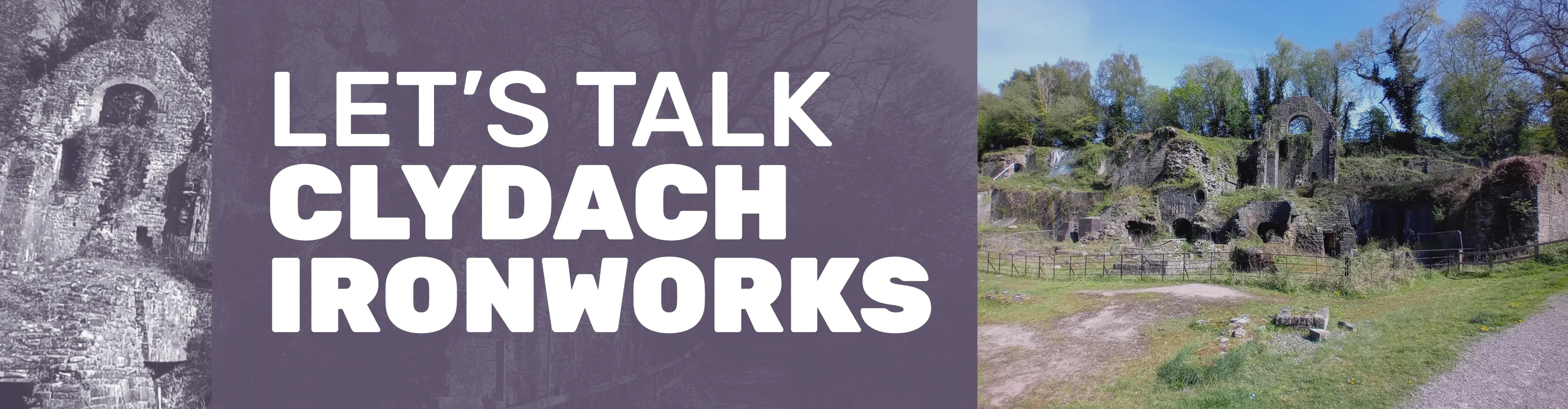
Let's Talk Clydach Ironworks
REMINDER: New drop-in session, Monday 14 September, 5pm-8pm, Clydach Village Hall (Rd, Abergavenny NP7 0LR) Come along and discuss proposals for the historic site and share your ideas.
Throughout September 2026, we're inviting local residents and visitors to Clydach Ironworks to share their views on the historic site.
Let's Talk about accessibility, signage, how the site is managed, how you use the site and, most importantly, what ideas you have for improvements.
We're looking for both short-term and long-term project ideas.
Short-term: Quick wins via smaller projects that we can deliver within a year thanks to grant funding.
Long-term: Bigger projects with a lasting impact that could take between two and ten years to deliver. These would require funding to be sought to progress, but they would make a big change.
We need your ideas and suggestions to help ensure any plans reflect what visitors feel would benefit the site and its important place in the local landscape most.
Survey runs from Tuesday, 1 September, until midnight on Wednesday, 30 September 2026.
About Clydach Ironworks
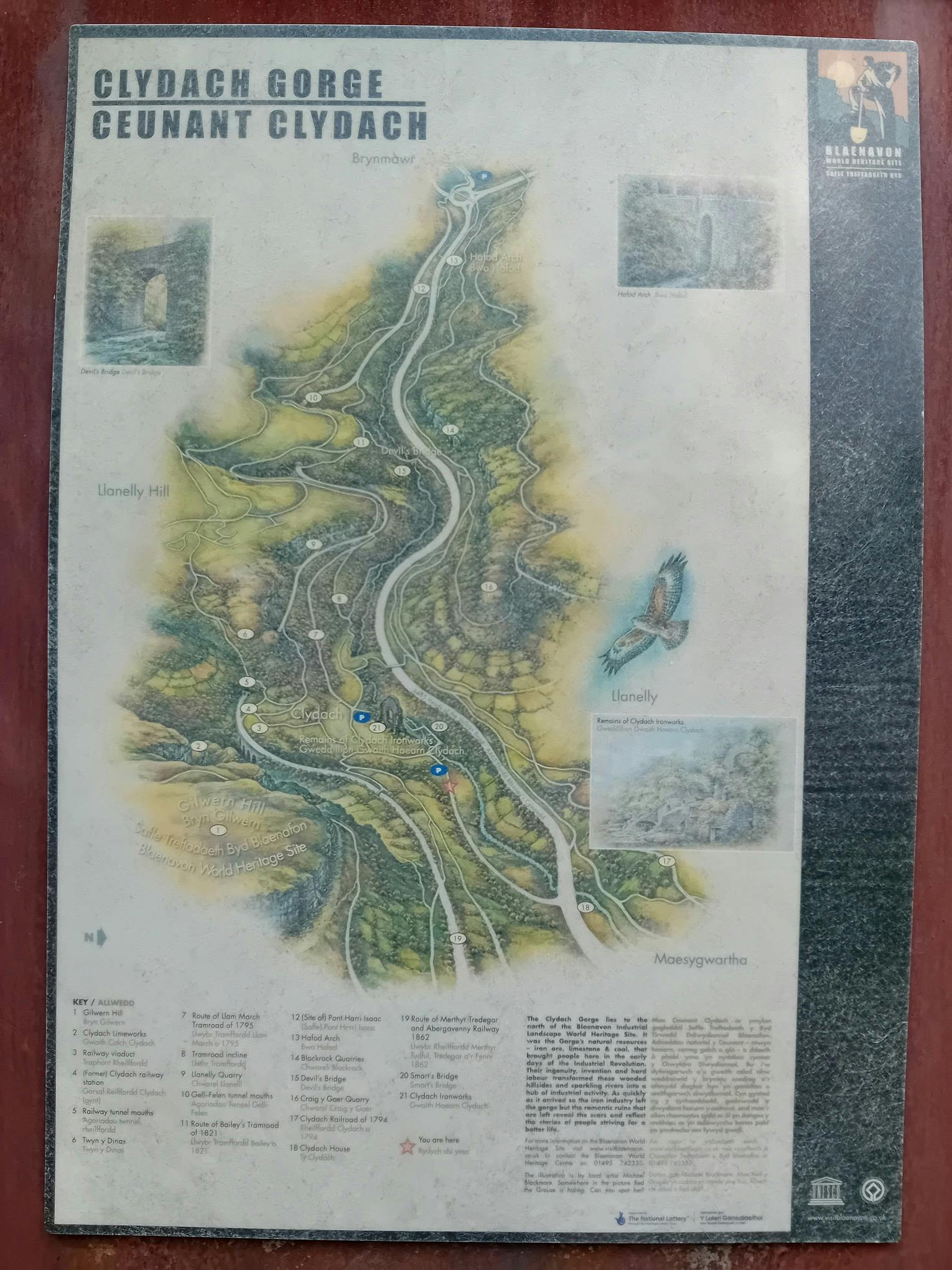
Clydach Ironworks were built in the 1790s, and by 1841 there were 1350 people working here, day and night. The Ironworks closed in the 1860s, but industry continued for another century. Limestone was quarried for building stone and to make cement and lime, creating the rocky cliffs at the top of the valley that are still visible today.
The remains of the ironworks are now open for viewing, with parking and a picnic area on site.
The Ironworks were at the heart of a complicated network of horse-drawn tramroads. These brought limestone, iron ore and coal down from the quarries and mines and took the finished iron away to the canal at Gilwern. Steam trains arrived in the 1860s when the Merthyr, Tredegar and Abergavenny Railway was built, carving a spectacular route through the valley.