Let's Talk Nature Isn't Neat

Share Let's Talk Nature Isn't Neat on Facebook Share Let's Talk Nature Isn't Neat on X (formerly Twitter) Share Let's Talk Nature Isn't Neat on Linkedin Email Let's Talk Nature Isn't Neat link

SURVEY CLOSES FRIDAY 13 NOVEMBER, 2026

Nature Isn’t Neat is an approach to managing grassland differently across Monmouthshire’s parks, verges and open spaces.

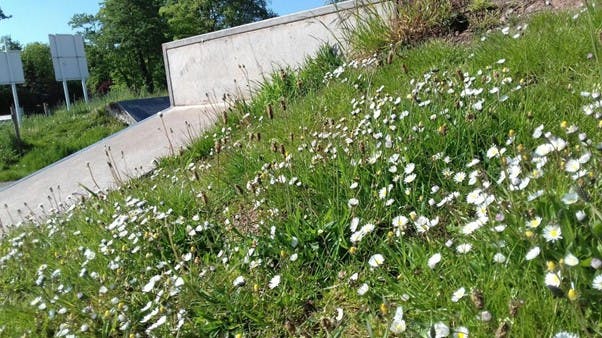
Instead of cutting all grass short, some areas are allowed to grow through spring and summer to create meadow areas and space for nature. This allows wildflowers to grow and supports pollinators such as bees and butterflies.

Grasslands also play an important role in tackling climate challenges. They store carbon, improve soil health and help reduce flooding by allowing water to soak into the ground more effectively.


How grassland is managed

Areas will be managed at different times across the year.

Some areas are left to grow and flourish through the summer, giving wildflowers time to flower and set seed and following the natural lifecycle of grassland.

Grass cutting continues in recreational spaces, paths and regularly used areas to keep them safe and accessible. Meadow areas are cut later in the season, before autumn, once plants have completed their lifecycle.

This approach creates a balance between space for nature and space for people.


Find out more

You can find more information about Nature Isn’t Neat, how sites are managed, and how to create your own meadow using the resources in the links on this page:

These resources explain the approach in more detail and show how grassland management supports wildlife, climate resilience and connected green spaces.

Have a read through the information on this page and if you have any other queries please email: nin@monmouthshire.gov.uk


SURVEY CLOSES FRIDAY 13 NOVEMBER, 2026

Nature Isn’t Neat is an approach to managing grassland differently across Monmouthshire’s parks, verges and open spaces.

Instead of cutting all grass short, some areas are allowed to grow through spring and summer to create meadow areas and space for nature. This allows wildflowers to grow and supports pollinators such as bees and butterflies.

Grasslands also play an important role in tackling climate challenges. They store carbon, improve soil health and help reduce flooding by allowing water to soak into the ground more effectively.


How grassland is managed

Areas will be managed at different times across the year.

Some areas are left to grow and flourish through the summer, giving wildflowers time to flower and set seed and following the natural lifecycle of grassland.

Grass cutting continues in recreational spaces, paths and regularly used areas to keep them safe and accessible. Meadow areas are cut later in the season, before autumn, once plants have completed their lifecycle.

This approach creates a balance between space for nature and space for people.


Find out more

You can find more information about Nature Isn’t Neat, how sites are managed, and how to create your own meadow using the resources in the links on this page:

These resources explain the approach in more detail and show how grassland management supports wildlife, climate resilience and connected green spaces.

Have a read through the information on this page and if you have any other queries please email: nin@monmouthshire.gov.uk


  • Nature Isn’t Neat is Monmouthshire County Council’s approach to managing suitable areas of grassland for biodiversity.

    In selected areas, grass and wildflowers are allowed to grow for longer allowing them to flower and set seed, providing food and habitat for pollinators and other wildlife. Meadow areas are cut and the grass collected later in the year. Paths, road sightlines and areas needed for recreation continue to be cut regularly.

    Healthier, more diverse grasslands can also improve soil health, retain water during dry periods, absorb more water and slow runoff during heavy rainfall, helping to reduce the effects of drought and flooding.

    Nature Isn’t Neat will continue, but we want to know what is working well and how its management could be improved.

    The survey should take around ten minutes. Questions about you are optional but your responses will help us establish if we have a broad cross section of the county represented.

    Take Survey
    Share 2026 Survey on Facebook Share 2026 Survey on X (formerly Twitter) Share 2026 Survey on Linkedin Email 2026 Survey link
Page last updated: 23 Oct 2026, 03:52 PM